

10 min. read
Audio Engineer Resume Guide and Examples


Unlock your next audio engineer role with the right resume strategy. This guide will show you, step by step, what employers want, how to highlight your achievements, and why resume examples can help you stand out.
As a Chartered Mechanical Engineer UK (CEng) and Certified Professional Resume Writer (CPRW), I have reviewed and rewritten hundreds of engineering resumes, giving me insight into what catches recruiters’ attention quickly. With 17+ years of international experience, I focus on practical, results-driven content that highlights real engineering impact.
Having helped 50+ engineers secure international expat jobs as a Certified Professional Career Coach (CPCC), I understand how to position your skills to meet varied hiring needs effectively. This approach ensures you present yourself not only as technically competent but also as a strategic fit for global roles and diverse work environments.
Resume Essentials and Overview
Stand out for any position in the audio engineering field by crafting an application that highlights your skills, experience, and achievements.
Personal Details: What to Include and How
For every position, make sure to include your name, write professional title (such as "Audio Engineer"), location, email, and contact number. If you’ve got a LinkedIn, online portfolio, or samples of your work, link them at the top. This makes it easier for employers and recruiters to see your actual work.
Do not include too much personal data—age, marital status, or a headshot are rarely required for jobs in audio engineering, whether studio, live sound, or post production.
Writing a Strong Professional Summary
Use your summary section to state your years of experience, your top skills in audio engineering, and your main focus (studio, live sound, or post). For example: “Audio engineer with 5+ years of experience in music and commercial production, skilled in mixing, editing, and using the best digital audio software.”
Make your summary unique by showing what sets you apart—do you deliver high-quality recordings? Have you managed live events? Highlight that here.
Tailoring Your Resume to Fit the Job Description
Scan each job post for keywords—these include “mixing,” “recording equipment,” “editing,” “Pro Tools,” or “live sound.” Incorporate these keywords throughout your document to ensure ATS (applicant tracking system) compatibility.
Pro tip: Focus on matching your experience and achievements to the company’s needs. For example, if the job needs experience with live performances, emphasize your results in live sound production or event support.
Avoiding Common Resume Mistakes
- Don’t leave out essential information such as contact or location.
- Never use the same generic summary for all jobs—customize for each.
- Avoid listing every task; focus instead on impact, results, and your most relevant skills.
- Check every section for errors—proofreading is essential.
Experience, Skills, and Education
Present your audio engineering experience clearly and highlight your most relevant work for the role you’re applying for.
Integrating video resumes or demo reels can further increase your appeal. For instance, an engineering video resume showcasing your studio work, mixing sessions, or live sound setups can help you stand out from 90% of other engineers by providing a dynamic view of your skills in action. This approach not only communicates your technical expertise but also your communication skills and professional demeanor.
If you want a deeper dive into building a standout engineering video resume, see: Engineering Video Resume: How to Stand Out From 90% of Engineers in 2026.
Choosing Relevant Work and Project Highlights
For every job or project, select highlights that match what the job description asks. Only include older or less relevant roles if they build your story or show career progression.
Example: If applying for a studio role, detail your work in recording, sound mixing, or post-production. If for live sound, focus on live event setups and results.
Structuring Each Role: Outline, Responsibilities, Achievements
Use this format for each job:
- Brief outline of your role (“Assistant Engineer at XYZ Studio, 2022–2024, worked on music, podcast, and commercial productions”)
- Bullet points with major responsibilities
- Real achievements/results, like a reduction in setup time or improvements in sound quality
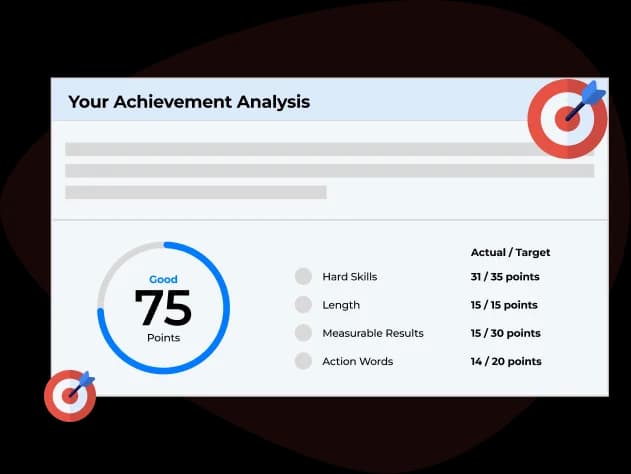
Quantifying Your Impact with Metrics and Outcomes
Include measurable results to show your audio engineering achievements:
- “Mixed over 200 tracks across multiple genres”
- “Improved editing turnaround by 20% using advanced DAW tools”
- “Reduced equipment downtime from 12 hours/month to just 3”
Numbers make results clear and validate your work.
Showcasing Collaboration and Technical Proficiency
Highlight how closely you worked with producers, artists, or clients. Mention communication skills, teamwork, and cross-functional collaboration—these matter to studios, live event organizers, and post-production houses alike.
Detail your proficiency with industry software (such as Ableton, Logic, or Pro Tools), equipment (consoles, microphones, speakers), and troubleshooting ability.
Demonstrating Workflow Improvements and Technical Innovation
Did you help create a new template, process, or fix technical issues? Did you introduce new software or workflows for sound mixing? Highlight innovations that made the production process faster, easier, or higher quality.
Highlighting Relevant Degrees and Coursework
List your highest degree, school, and year—such as “Bachelor of Science in Audio Engineering, 2022, University of Arts and Science.” Include coursework, especially if you’re entry level—like “Mixing Techniques, Studio Setup, Post-Production Workflow.”
Listing Industry-Recognized Certifications That Add Value
Industry certifications boost your value on an audio engineer resume. Good examples:
- Avid Pro Tools Certified
- Dante Level 1 (for networking digital audio)
- Smaart Acoustic Measurement
- Logic Pro Certification
Include date and credential source. A strategic approach to certifications can elevate your resume's impact. Audio engineer roles often value industry-recognized credentials that verify your proficiency with key software and tools. Prioritize certifications like Avid Pro Tools, Dante networking, and acoustic measurement qualifications. Highlighting these certifications demonstrates commitment to professionalism and ongoing skill development in a competitive field.
Selecting and Prioritizing Key Audio Engineering Skills
Your skills list should focus on both technical and soft skills. Prioritize:
- Digital Audio Workstations (DAWs): Pro Tools, Logic Pro, Ableton, etc.
- Mixing, mastering, editing, recording
- Microphone placement and setup
- Troubleshooting and signal flow
- Communication, teamwork, and problem-solving
Keep the list targeted. Rather than listing every plugin, focus on your highest proficiency areas.
Including Languages and Soft Skills Relevant to the Role
For jobs involving live events, international clients, or collaborative studios, include language proficiency (e.g., “English – Native,” “Spanish – Fluent”). Also mention your communication, adaptability, and client service skills to show you can work with diverse teams and clients.
Resume Examples
See three detailed, ATS-friendly audio engineer resume examples below. These samples include a range of seniority levels, technical and creative skills, and highlight achievements.
Sample Audio Engineer Resume: Studio and Live Support Focus
Sample CV Profile and Core Skills List
Example Work Experience Entries with Key Responsibilities and Achievements
Conclusion
Creating a standout audio engineer resume takes more than listing your degree or a few tools. Focus on your experience, technical achievements, and real results. Use each section – from professional summary, work experience, to key skills – to show your impact, technical proficiency, and team collaboration. Use bullet points, action verbs, and measurable outcomes to make your achievements clear and compelling. Make sure your resume is easy to scan, ATS-optimized, and tailored to every specific job you target.
Remember: A professional resume is not just a letter about your work—it's a tool you use to land an interview and your next job, so make every word count.
FAQ
How do I tailor my audio engineer resume for different job postings?
Read each job description carefully, pick out keywords (like “mixing,” “live sound,” “video editing”), and update your resume summary, core skills, and achievements to include them. Make sure you closely match the requirements and focus on relevant experience.
What are the most important technical skills to include?
Key audio engineering skills include mixing, editing, use of DAWs (Pro Tools, Logic, Ableton), equipment troubleshooting, microphone setup, signal flow, and recording. Also include software or tools specifically mentioned in the job post.
How can I quantify my achievements effectively?
Use numbers: “Mixed 120+ tracks,” “Reduced processing time by 20%,” or “Worked on shows for audiences up to 2,000.” Metrics help employers quickly see your impact.
Should I include freelance projects on my resume?
Yes, if they’re relevant and show your skills. List them with dates, clients (if permitted), and what you achieved, just as with any other job.
What common mistakes should I avoid on an audio engineer resume?
Avoid vague responsibilities, generic statements, errors in your contact section, or failing to tailor your application to the job. Don’t leave out achievements!
How do certifications impact my resume’s effectiveness?
Relevant audio certifications (Pro Tools, Dante, Smaart) show verified skills and industry knowledge. The right credentials can help your resume stand out, especially for roles that require specific software or hardware proficiency.
Is it necessary to list soft skills on a technical resume?
Yes. Audio engineering jobs demand teamwork, client communication, adaptability, and problem-solving. A good resume shows both technical and soft skills relevant to the role.
How long should my resume be?
One to two pages is standard. Focus on relevant, high-impact content and keep each section concise, ensuring every bullet point adds value.
Optimizing your resume for applicant tracking systems (ATS) is critical especially in todays's world of AI. Use relevant keywords from job descriptions such as "mixing," "Pro Tools," "live sound," and "editing" naturally throughout your document to ensure your resume passes initial digital screenings. Tailoring your resume not only helps with ATS but ensures you clearly communicate your fit for the role.
Resume Scanner
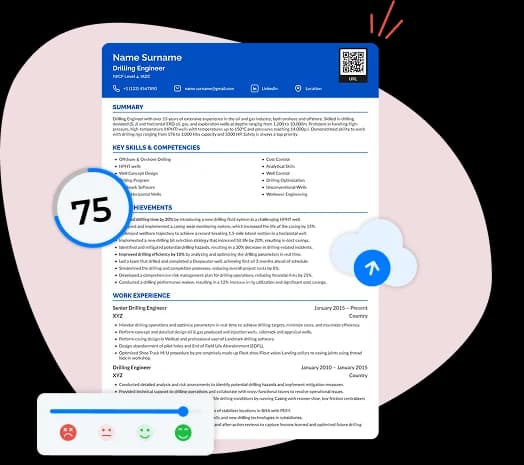
AI scanner performs 15 essential checks to ensure your resume is optimized for the jobs you're applying to.
SCAN RESUME
Written by
Recent Posts

Pub: 29 Oct 2025 - Upd: 11 May 2026
20 min. read
Engineering Cover Letter Examples: Complete Guide for 2026!