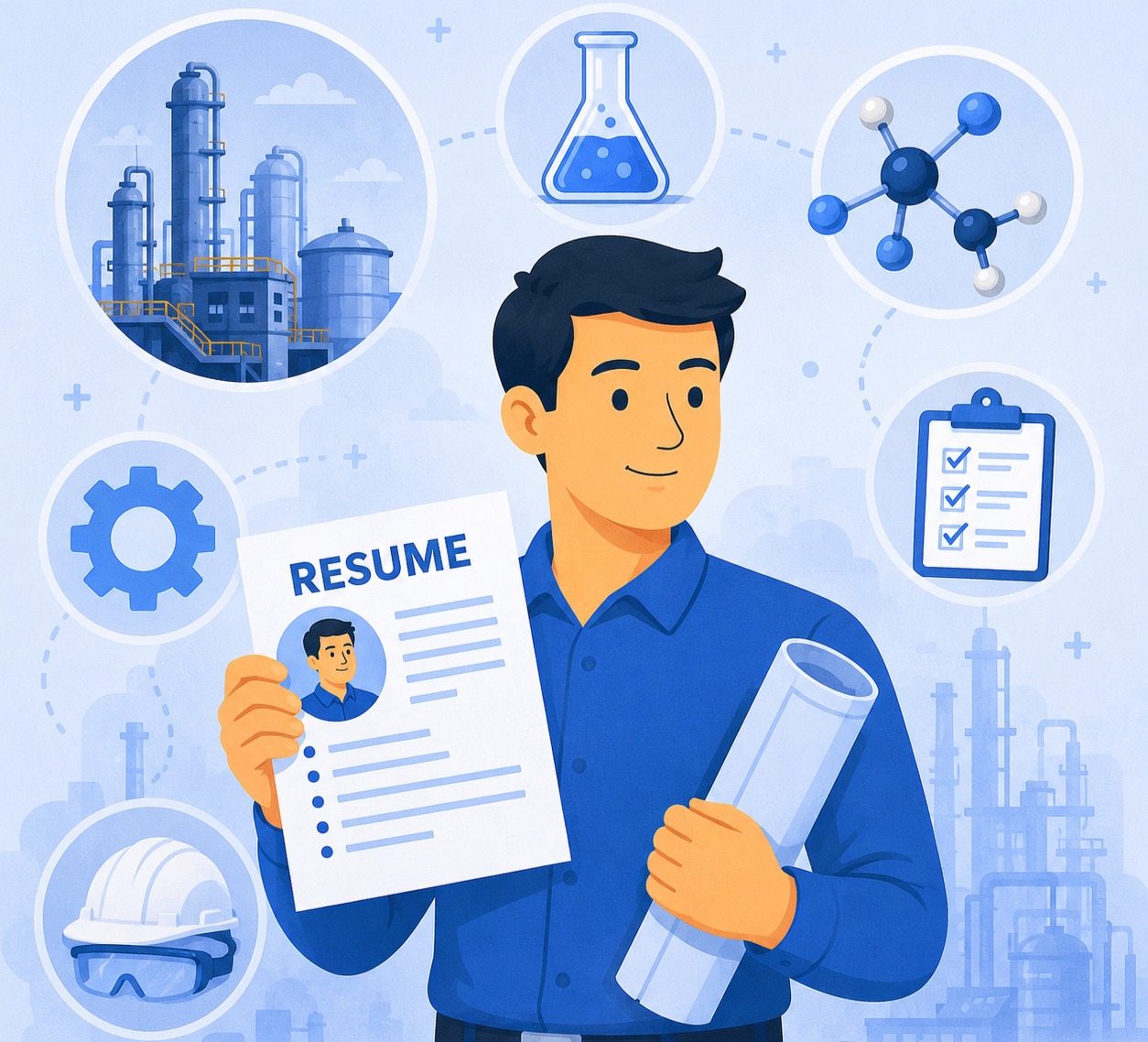
Geotechnical Engineer Resume Guide


Crafting a top-notch geotechnical engineer resume is essential for landing interviews in today’s engineering job market. Whether you’re a senior geotechnical engineer, a fresh graduate, or transitioning from a civil engineering background, a clear, targeted resume demonstrates your project experience, technical skills, and ability to deliver results.

Crafting an Effective Resume


A geotechnical engineer resume must impress both hiring managers and applicant tracking systems (ATS). Use targeted engineering keywords, quantify project achievements, and choose a clean, professional format. Begin by understanding what works—and what undermines your application.

Common Resume Pitfalls in Geotechnical Engineering


Many resumes in geotechnical engineering focus too heavily on generic duties and omit measurable impact. Avoid overloading your resume with lengthy soil analysis or software lists alone. Instead, each bullet should show how your engineering solutions improved safety, reduced risk, cut down costs, or sped up project delivery.


As a Chartered Mechanical Engineer UK (CEng) and Certified Professional Resume Writer (CPRW), I have rewritten and reviewed hundreds of engineering resumes, gaining deep insight into which formats and phrases captivate hiring managers and pass ATS filters. My professional experience working in extreme environments from -50°C to +50°C equips me with a practical understanding of how to convey real-world engineering skills authentically without losing clarity.

Leading with Measurable Project Outcomes


Powerful geotechnical engineer resumes emphasize real-world results. For instance, highlight site investigation work that reduced foundation failures, or slope stability analysis that cut risk in embankment projects. Use numbers—percentages, time saved, or project budgets. Numbers grab attention and prove value.

Tailoring Keywords for ATS and Job Fit


Today’s hiring managers use ATS to filter resumes. Incorporate keywords like “geotechnical analysis,” “soil and rock investigation,” “PLAXIS,” and “foundation design.” Read job descriptions carefully, then tailor your geotechnical engineer resume to match essential criteria. Engineernow Resume Scanner will sort it out for you:

Resume Scanner

Resume Scanner

AI scanner performs 15 essential checks to ensure your resume is optimized for the jobs you're applying to.

SCAN RESUME

Choosing the Right Resume Format: Reverse-Chronological vs Hybrid


A reverse-chronological resume suits experienced engineers with steady career progression. For entry-level, graduate, or career-change applicants, a hybrid format emphasizes geotechnical skills, software, and relevant coursework before listing work experience.

Including Certifications and Education for Credibility


Education and certifications distinguish your resume from the competition. A geotechnical engineer resume should include degrees in civil or geotechnical engineering and showcase certifications like PE, EIT, or relevant safety credentials. These build trust with employers.

Structuring Your Resume


A well-structured geotechnical engineer resume quickly communicates engineering strengths, project achievements, and career goals. Keep it organized and focused for both ATS and hiring manager review.

Essential Resume Sections: Header, Summary, Experience, Skills, Education, Certifications


Start with your name, title, location, phone, email, and LinkedIn. Next, a summary or profile gives a quick overview of your geotechnical engineering background. Experience, technical skills, education, and certifications follow, each tailored to highlight key achievements.

Writing Impactful Experience Bullets with Quantifiable Results and Quantifying Achievements: Risk Reduction, Cost Savings, Schedule Gains


Experience sections on a geotechnical engineer resume should use clear, concise bullet points. Every bullet should reflect a specific action and measurable outcome related to geotechnical projects—such as improving slope stability, cutting costs, or expediting environmental site works.


Whenever possible, quantify impact. Did your geotechnical analysis reduce risk? Did your earth investigation cut change orders? Use percentages, dollar amounts, or timeframes. For example: “Reduced ground investigation report lead time by 20%.”

Achievement Analyzer

Achievement Analyzer

Write crazy effective achievements to “wow” hiring managers.

ANALYZE ACHIEVEMENT

Demonstrating Hard and Soft Skills in Context


Your geotechnical engineer resume should include technical skills (soil testing, PLAXIS, foundation design) and soft skills (teamwork, communication, management). Provide context—how did you use those skills to deliver successful engineering projects?


A critical aspect of crafting an effective geotechnical engineer resume is aligning your skills and experience with industry expectations and ATS requirements. For example, using precise geotechnical terminology and software names enhances your resume's visibility during automated screenings. I also covered this topic in detail: Engineering Video Resume: How to Stand Out From 90% of Engineers in 2026.


Technical Hard Skills:


  • Soil Mechanics
  • Rock Mechanics
  • Foundation Engineering
  • Study Maps & Photographs
  • Assess Construction Plans
  • Geological Hazards
  • Develop Ground Models
  • Geotechnical Calculation
  • Soil Monitoring Techniques
  • Structural Engineering
  • Civil Engineering
  • Site Appraisals & Investigations
  • Geological Characterisation
  • Hydro-geological Characterisation
  • Ground Improvement
  • Soil Stabilisation
  • Excavations & Earthwork
  • Slope Engineering
  • Retaining Wall Engineering
  • Ground Monitoring
  • Subsidence & Underpinning Engineering
  • Road & Pavement Subgrade Testing
  • Risk assessment
  • Investigate Potential Risks
  • GEO5
  • PLAXIS
  • GeoStudio
  • OpenGround
  • KeyLAB
  • Oasis Montaj
  • Seequent Central
  • Leapfrog Geo
  • Leapfrog Works
  • AllPile
  • ADONIS
  • PSlope
  • SO-Foundation
  • CRISP2D
  • ACCECALC
  • Abacus
  • GeoTesting
  • History Matching
  • Geophysics
  • Geological Modelling
  • Identify Stress-dependent Rock Properties
  • Mineralogy
  • Geomechanics
  • Assess Stress-dependency
  • Core Data & Rock Properties
  • Routine Core Analysis (RCA)
  • Core Imaging
  • Design Coring Program
  • Design Rock Characterization Program
  • Digital Rock Technology
  • Geochemistry
  • AI Data Analytics
  • Machine Learning

Listing Education and Relevant Coursework Effectively


List the highest engineering degree first, including program, university, and graduation date. For early-career engineers, add key coursework in soil mechanics, geotechnical design, or site analysis to show theoretical expertise matching geotechnical positions.

Showcasing Certifications Relevant to Geotechnical Engineering


Certifications show dedication to professional growth. For geotechnical engineers, include licenses such as PE, EIT, or occupational safety certifications. Highlight these directly beneath education for maximum impact.

How to Tailor Your Experience Section to Specific Job Descriptions


Study the posting. Use its language: if a firm asks for “deep foundation design,” echo this phrase within your geotechnical engineer resume’s experience section. This significantly increases your ATS score.

Having conducted over 200 technical interviews and passed more than 50 technical and managerial interviews myself, I know firsthand the value of a well-crafted cover letter in addressing potential concerns and highlighting your unique value. As a Certified Professional Career Coach (CPCC) who has helped 50+ engineers secure international expat jobs, I guide professionals on how to present themselves as low-risk, high-value candidates in competitive engineering markets.

Additional Tips and Best Practices

Using AI to Enhance Clarity and Impact without Losing Authenticity


AI resume tools can suggest keywords and formatting, but your content—project outcomes, real geotechnical experience, and technical skills—should remain genuine.

When to Include a Cover Letter and What to Highlight


Include a cover letter when the job requires it or for highly competitive roles. Use the cover letter to highlight your fit for the company, expand on a key engineering achievement, and clarify any unique qualifications (e.g., international geotechnical project experience).


If you want a deeper dive, see: Engineering Cover Letter Examples: Complete Guide for 2026!

Cover Letter Builder

Cover Letter Builder

Use proven templates to craft an effective cover letter in minutes.

CREATE COVER LETTER

Optional Sections to Strengthen Your Resume: Publications, Languages, Professional Affiliations


If you’ve published technical papers, list them for added credibility. Foreign language proficiency and professional memberships (e.g., ASCE) highlight versatility—especially in global engineering firms.

Resume Examples


Below are distinct geotechnical engineer resume examples crafted for different career situations. Each geotechnical engineer resume targets a unique engineering background, showcases engineering skills, and demonstrates measurable project outcomes.


Senior Geotechnical Engineer Experience Example

Olivia Chen

Senior Geotechnical Engineer

CPEng, PE

SUMMARY

Senior geotechnical engineer with 15+ years of civil and geotechnical engineering experience in foundation design, geotechnical investigation, and slope stability analysis. Expert in leading multidisciplinary teams to successful completion of major geotechnical projects. Proficient with PLAXIS, GeoStudio, AutoCAD, and advanced soil modeling. Consistently delivered cost-effective engineering solutions, achieving measurable improvements in project risk reduction and schedule efficiency.

KEY SKILLS & COMPETENCIES
  • Geotechnical site investigation
  • Deep and shallow foundation design
  • Soil and rock mechanics
  • Slope stability analysis
  • Retaining structure and ground improvement systems
  • Environmental geotechnical risk assessment
  • Team leadership, project management
  • Geotechnical software: PLAXIS, GeoStudio, AutoCAD Civil 3D
  • Report writing, data analysis, client communication
KEY ACHIEVEMENTS
  • Led soil investigation and design on a $120M commercial tower, optimizing foundation design and reducing material costs by 16%.
  • Managed geotechnical analysis for a slope stabilization project, improving safety factor from 1.1 to 1.45—preventing potential failures.
  • Implemented advanced laboratory soil testing protocols, cutting sample processing time by 25% and improving data reliability.
  • Developed new field investigation workflows for a multi-site infrastructure portfolio, reducing schedule overruns by 30%.
  • Trained and mentored 12 junior engineers; 75% have since transitioned to project management roles.
WORK EXPERIENCE
Senior Geotechnical Engineer
GeoSolutions Consultants, Inc.

January 2016

Present

Houston, TX
  • Managed full lifecycle of geotechnical projects, including soil and rock analysis, laboratory testing, and on-site investigations for civil and structural engineering clients.
  • Supervised geotechnical investigations for five major foundation design projects. Used PLAXIS and GeoStudio for slope and bearing capacity calculations, which informed foundation system selection.
  • Oversaw improvement plans for three large construction sites, incorporating ground treatment and soil improvement strategies, resulting in lower construction risk and compliance with environmental policies.
  • Collaborated with design teams and site managers to ensure technical solutions aligned with project scope, health and safety standards, and client business requirements.
  • Authored over 60 technical reports, all reviewed favorably in client and regulatory audits.
Geotechnical Engineer
SoilTech Engineering, Ltd.

April 2011

December 2015

Houston, TX
  • Designed and executed geotechnical field investigations, including drilling, sampling, and laboratory analysis for 40+ projects.
  • Used 3D geotechnical modeling software to predict earth structure performance and provide value engineering suggestions, leading to three successful claim reductions.
  • Supported site managers on environmental and geotechnical compliance reviews for public infrastructure developments.
EDUCATION
Master of Science, Civil Engineering (Geotechnical Focus)
University of Texas at Austin

June 2026

January 2010

CERTIFICATIONS
  • Chartered Professional Engineer, CPEng
  • Professional Engineer, PE (Texas #A12345678)
PROFESSIONAL AFFILIATIONS
  • Member, American Society of Civil Engineers (ASCE)
  • Member, Geo-Institute
LANGUAGES
  • English (native)

  • Spanish (advanced)

Entry-Level or Career Changer Geotechnical Engineer Resume Format


For those early in their careers or shifting into geotechnical engineering, a skills-focused hybrid resume format can effectively highlight relevant coursework, lab experience, and internships before professional roles. This structure shows readiness and transferable strengths clearly. Resume Example for Engineering Students | Free Templates.

Samuel Patel

Geotechnical Engineer

LinkedIn
SUMMARY

Geotechnical engineer with recent civil engineering degree and internship experience in site investigation, soil mechanics, and geotechnical modeling. Applied engineering skills in laboratory testing, soil analysis, and project documentation. Proficient with PLAXIS, AutoCAD, and Microsoft Office Suite. Dedicated to applying analytical and design skills to deliver geotechnical solutions and support site safety and ground improvement in challenging construction environments.

KEY SKILLS
  • Geotechnical investigation
  • Soil analysis, rock classification
  • Foundation design principles
  • Slope stability evaluation
  • Environmental geotechnical assessment
  • Field and lab testing procedures
  • Technical report writing
  • Geotechnical software: PLAXIS, AutoCAD, Excel
  • Strong communication, teamwork
EDUCATION
Bachelor of Science, Civil Engineering
San Jose State University

June 2026

January 2023

RELEVANT COURSEWORK
  • Soil Mechanics
  • Geotechnical Engineering
  • Foundation Design
  • Structural Analysis
  • Environmental Engineering
EXPERIENCE
Geotechnical Engineer Intern
Foundation Earth Associates

May 2023

August 2023

San Francisco, CA
  • Assisted with field investigations and laboratory tests for ground improvement projects, including Atterberg limits and compaction analysis on 30+ soil samples.

  • Contributed to the geotechnical analysis and design of earth retaining structures by conducting slope stability calculations using PLAXIS.

  • Prepared site investigation summaries and technical documentation, improving report turnaround by 15%.

  • Supported onsite data collection, collaborating with field technicians and senior engineers during subsurface explorations.

Junior Civil Engineer
Pacific Structural, Inc.

May 2021

April 2023

Oakland, CA
  • Worked on construction inspection and technical document review for foundation structures and embankment projects in public infrastructure.

  • Coordinated with contractors to ensure geotechnical recommendations were implemented accurately in all phases of construction.

CERTIFICATIONS
  • Engineer in Training (EIT), 2023
  • OSHA 30-Hour Construction Safety, 2023
LANGUAGES
English (native), Hindi (intermediate)

Sample CV Profile for a Geotechnical Engineer

Amina Hassan

Geotechnical Engineer

CEng, ICE

LinkedIn
PROFILE

Geotechnical engineer with over 7 years of experience in delivering geotechnical project solutions for both private and public sector clients. Expertise in site investigation, soil improvement, and earth structure design. Skilled in geotechnical analysis and environmental risk assessment, with a proven track record of reducing cost and project schedule overruns for major infrastructure and construction business partners. Proficient with PLAXIS, gINT, and AutoCAD Civil 3D. A creative engineering professional passionate about foundation design and ground stability improvement for challenging environments.

KEY SKILLS
  • Site and subsurface investigation
  • Foundation design, earth structure analysis
  • Soil and rock laboratory testing
  • Slope stability and retaining wall assessment
  • Geotechnical report authorship
  • Project and risk management
  • Environmental geotechnics
  • Software: PLAXIS, gINT, AutoCAD Civil 3D
WORK EXPERIENCE
Geotechnical Engineer
WSP Engineering Consultants

April 2018

Present

London, UK
  • Managed end-to-end geotechnical projects, from investigation through to construction support, ensuring engineering solutions met client needs, environmental policies, and site data requirements.
  • Led technical evaluation and reporting on 12 complex infrastructure developments, incorporating geotechnical analysis, site investigation, and foundation design improvement.
  • Supported design and management teams with targeted geotechnical recommendations to resolve site-specific risks, achieving a 20% reduction in construction change orders.
Assistant Geotechnical Engineer
Earth Science Ltd.

January 2016

March 2018

London, UK
  • Contributed to field investigation, soil mechanics testing, and technical document production for major structural engineering projects.
  • Assisted in improving ground investigation workflows and data collection methods, reducing reporting lead times by two business days.
EDUCATION
Master’s Degree in Geotechnical Engineering
Imperial College London

June 2026

January 2016

CERTIFICATIONS
  • Chartered Engineer (CEng), UK Engineering Council
  • Member, Institution of Civil Engineers (ICE)
PUBLICATIONS
  • “Soil Structure Interaction under Dynamic Loading,” British Journal of Geotechnical Engineering, 2022
LANGUAGES
  • English (fluent)
  • Arabic (advanced)
  • French (conversational)

Geomechanics Engineer Resume Example

Name Surname

Geomechanics Engineer

CEng

LinkedIn
SUMMARY

Geomechanics Engineer with over 10 years of experience in rock mechanics, foundation engineering, and geological hazards. Successfully developed ground models and performed geotechnical calculations using software such as PLAXIS and GeoStudio. Implemented soil monitoring techniques and conducted risk assessments to identify potential hazards. Led site appraisals and investigations, utilizing geophysical methods and geological modelling to assess stress-dependent rock properties. Designed coring and rock characterization programs, leveraging digital rock technology and AI data analytics for efficient analysis.

KEY SKILLS & COMPETENCIES
  • Soil Mechanics
  • Foundation Engineering
  • Study Maps & Photographs
  • Assess Construction Plans
  • Develop Ground Models
  • Geotechnical Calculation
  • Structural Engineering
  • Civil Engineering
  • Site Appraisals & Investigations
  • Excavations & Earthwork
  • Ground Monitoring
  • GEO5, PLAXIS, GeoStudio
KEY ACHIEVEMENTS
  • Conducted a comprehensive study of rock mechanics to assess stability and provide recommendations for slope engineering, resulting in a 30% reduction in slope failures.
  • Developed ground models using geological characterization and hydro-geological data, optimizing foundation engineering designs and reducing settlement issues by 20%.
  • Implemented soil monitoring techniques and ground improvement strategies, leading to a 15% increase in soil stability and improved construction performance.
  • Led geotechnical calculations and assessed construction plans, ensuring compliance with safety regulations and minimizing the risk of geological hazards.
  • Performed risk assessments and investigated potential risks using advanced software such as PLAXIS and GeoStudio, resulting in a 25% reduction in project delays and cost overruns.
  • Utilized AI data analytics and machine learning algorithms to analyze geophysical and geological data, enabling accurate prediction of stress-dependent rock properties and facilitating optimal structural engineering designs.
WORK EXPERIENCE
Geomechanics Engineer

June 2026

Present

  • Conducted site appraisals and investigations to assess geological hazards, resulting in effective risk mitigation strategies.
  • Developed ground models using geotechnical calculations and geological characterization, optimizing foundation engineering designs.
  • Performed soil monitoring techniques to ensure soil stabilization and implemented ground improvement measures for enhanced construction performance.
  • Executed slope engineering projects, including retaining wall engineering and excavation works, to ensure safe and stable slopes.
  • Conducted ground monitoring activities and implemented subsidence and underpinning engineering solutions for structural integrity.
  • Carried out road and pavement subgrade testing using industry-standard software like GEO5 and PLAXIS, ensuring reliable and durable infrastructure.
  • Utilized advanced tools like Leapfrog Geo and GeoStudio for geological modeling and geophysics analysis, facilitating accurate assessments.
  • Implemented core imaging techniques and routine core analysis to evaluate rock properties and design effective coring and rock characterization programs.
EDUCATION
Master’s Degree in Engineering (GPA 4.9/5.0)
State University

June 2026

Present

CONFERENCES
  • Winner of the XX Scientific and Technical Conference of Young Professionals, 2019.
  • Winner of Economic Competitions in the nomination «The best facility of the Company», 2018.
  • Semi-finalist of the National Championship in Strategy and Business Management, 2017.
CERTIFICATIONS
  • Chartered Engineer registered with UK Engineering Council, #XXXXX
PROFESSIONAL AFFILIATIONS
  • Member of Institute/Society, Membership #XXXXX
PATENTS & PUBLICATIONS
  • Patent #111111, filed on 10 January 2014, in Country. The patent is for a new technology...
  • Name Surname, «Digitalization of field supervision over the construction of main facilities of…», World Journal, Volume XX: pages 32-46. 2020.
TRAINING & COURSES
  • Structural Engineering, 2023
  • Retaining Wall Engineering, 2023
  • Digital Rock Technology, 2022
  • Geomechanics Advanced, 2020
LANGUAGES
Italian – Native, English – Fluent, Arabic – Basic, Spanish - Intermediate
REFERENCES
Name Surname, Manager | Company XYZ | +123456780, name.surname@gmail.com

FAQ / Q&A

How should I format my geotechnical engineering resume for ATS compatibility?

Use simple section titles like “Summary,” “Work Experience,” and “Skills.” Avoid graphics, columns, or tables. Save your resume as a PDF or DOCX. Prioritize essential geotechnical keywords and technical terms that align with your target job description.

What certifications are most valuable to include on my resume?

PE (Professional Engineer) and EIT (Engineer in Training) are highly respected for geotechnical resumes. Additional certifications in geotechnical software (PLAXIS, gINT), safety (OSHA), and project management (PMP) can further strengthen your application.

How can I quantify my project outcomes effectively?

Use project-specific data: “Reduced design costs by 10%,” or “Shortened analysis time by 20% using automated borehole logging software.” Numbers that demonstrate value catch the eye of hiring managers and set your resume apart.

Should I include a cover letter with my resume?

Include a cover letter when the job or employer requests it, or when you need to clarify a career change or highlight a unique strength. A thoughtful cover letter lets you expand on key achievements or explain your motivation for seeking the role.

What are common mistakes to avoid on a geotechnical engineer resume?

Avoid generic task descriptions, lack of quantifiable results, and missing keywords. Don’t use overly complex designs or exclude certifications. Make sure your resume matches the required technical and project management skills for the role.

How do I demonstrate both technical and soft skills?

Present technical skills (soil testing, foundation design) alongside contributions working with teams or managing site operations. Showcase examples where your soft skills (like communication, team leadership) directly impacted project results.

Can I use AI tools to improve my resume writing?

Yes, AI tools can provide suggestions for wording, formatting, and keyword placement—helping you improve clarity and ATS performance. Always review AI output to preserve accuracy and keep your resume authentic and tailored to your experience.

When is it appropriate to include optional sections like publications or languages?

Include publications if they’re relevant to geotechnical engineering or demonstrate subject expertise. List language skills if applying to global companies, or if they’re mentioned in the job description. Membership in professional organizations also strengthens credibility.
Author Avatar

Written by

Alex

Engineer & Career Coach CEng MIMechE, EUR ING, CMRP, CPCC, CPRW, CDCS