

4 min. read
Top 10 Mechatronics Engineer Certifications for Career Growth
Mechatronics combines mechanical engineering, electrical engineering, electronics, automation, and computer technology. The right mechatronics certification can validate technical skills and support career growth. Certifications also help engineers demonstrate knowledge of modern manufacturing, robotics, and control systems.
I am an International Engineering Career Coach and Chartered Mechanical Engineer (CEng) with 17+ years of hands-on experience in the oil and gas industry. I have worked with Shell and Saudi Aramco.
1. Siemens Mechatronic Systems Certification Program (SMSCP)
Siemens SMSCP focuses directly on mechatronic systems. Training covers mechanical components, electrical components, automation, PLCs, and system troubleshooting.
2. PMMI Mechatronics Certification
PMMI offers industry-focused mechatronics certification tests. Topics include mechanical systems, industrial electricity, motors, fluid power, and programmable logic controllers.
3. Certified Automation Professional (CAP)
ISA CAP is valuable for experienced automation professionals. It covers automation, control systems, system design, development, deployment, and industrial operations.
4. Certified Control Systems Technician (CCST)
ISA CCST validates practical knowledge of instrumentation and control systems. It includes troubleshooting, calibration, maintenance, and process automation.
5. Certified SOLIDWORKS Professional (CSWP)
CSWP validates professional CAD and mechanical design skills. The exam covers part design, configurations, assemblies, and engineering modeling.
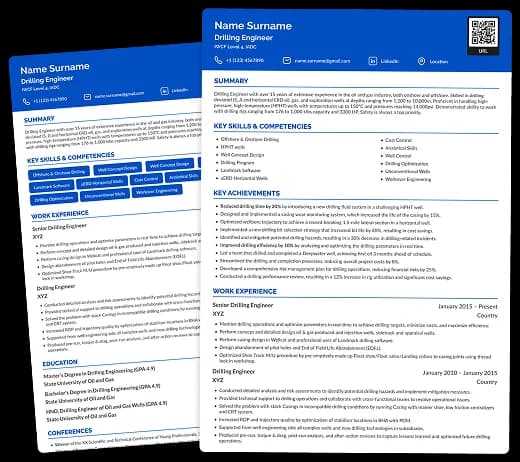
Resume Builder
Use proven engineering templates to build a job-winning resume in minutes.
CREATE RESUME6. Autodesk Certified Professional: Inventor
This certification focuses on advanced mechanical design using Autodesk Inventor. It covers assemblies, drawings, sheet metal, design automation, and modeling.
7. Certified LabVIEW Associate Developer (CLAD)
NI CLAD validates fundamental LabVIEW programming skills. It is useful for mechatronics engineers working with testing, data acquisition, automation, sensors, and control applications.
8. INCOSE Systems Engineering Professional Certification
INCOSE offers ASEP, CSEP, and ESEP credentials. Systems engineering knowledge is valuable when integrating mechanical, electrical, software, and control technologies.
9. Certified Manufacturing Engineer (CMfgE)
SME's CMfgE certification targets experienced manufacturing professionals. Its technical areas include manufacturing processes, design, automated systems, controls, quality, and development.
10. Project Management Professional (PMP)
PMP is useful when engineers move into project management and leadership roles. It validates knowledge of managing people, processes, and project priorities.
I am also a Certified Maintenance and Reliability Professional (CMRP) and a Member of the Institution of Mechanical Engineers UK (MIMechE). My engineering work has included environments from -50°C to +50°C.
Which Mechatronics Certification Is Best?
The best certification depends on the engineer's career path. Automation engineers may choose CAP or Siemens SMSCP. Design engineers can consider CSWP or Autodesk. Manufacturing professionals may prefer PMMI or CMfgE. Engineers should select credentials that match their technical experience, current job, and future career goals.
For students entering mechatronics at the entry level, a mechatronics certificate program at a community college can be a practical way to build mechatronics skills before or alongside a bachelor’s degree. After high school, a focused course covering the fundamentals of mechanics, electronics, automation, and controls can strengthen your knowledge, provide transferable credits, and prepare you for a mechatronics technician role in high tech manufacturing.



Written by
Recent Posts

Pub: 23 Dec 2025 - Upd: 01 May 2026
16 min. read
Engineering Technician Resume Examples & Templates 2026

Pub: 13 Apr 2025 - Upd: 01 May 2026
8 min. read
How do I write the PERFECT Engineering resume using ChatGPT? Step-by-step instructions...