
9 min. read
How I Found My FIRST Job as an Engineer Abroad?
In this article I want to tell you how I found my first job abroad and share my personal experience. This journey was full of challenges, but it led me to where I am today. I hope my story will help you reach your own goals too.
I’m Alex, a UK Chartered Engineer, a European Engineer, and a Certified Career Coach for Engineers.
Why Working Abroad Was a Conscious Choice
Let me start with some background. Working abroad was not something random or unexpected for me. It was the result of long and dedicated work on myself and my skills. From the very beginning, I understood that getting a job abroad is not about luck, it’s about following a clear plan and working step by step toward your goal.
The idea of working in another country came to me when I was still in high school. I realized that I didn’t just want to build a career, I wanted to do it internationally. So my preparation for an international career began long before I even got my engineering diploma.
Why I Wanted to Work Abroad
One of the main reasons was the climate. I spent most of my life in Siberia, and I never liked the weather there. I always dreamed of living somewhere warm all year round and close to the sea. I’d rather live in extreme heat than in the cold.
Also, working abroad is a unique opportunity to live in different countries, experience new cultures, meet new people, and learn different ways of working. We only live once, so why not try? You can always return home, but if you don’t take the risk and try something new, that chance might never come again.
Another big reason was the variety of work. Engineering jobs abroad often involve different types of projects, various facilities, and working with all sorts of equipment. Honestly, I don’t understand people who work at the same plant or location their whole lives. For me, it was important to experience new things and see how engineering works in other countries. I had always dreamed of working on offshore platforms in the Persian Gulf or the Gulf of Mexico.
And of course, I can’t ignore the salary. Working as an expat can bring really good money. At the end of the day, we all work to earn a living, and if there’s a chance to earn more, why not take it? A job abroad can not only give you new knowledge and experience, but it can also greatly improve your financial situation and help you build a strong future.
First Steps Toward an International Career
So what did I actually do to start an international career?
Right after university, even in the first few months of my career, I began looking for ways to go abroad through a company. I started to figure out what I needed, what courses to take, and what skills to learn. In the very first month of working, I told my manager that I planned to work abroad in the future and needed support for that. He looked at me and said, “Are you kidding? You just joined the company.”
I spent my first year studying job ads for positions abroad. I carefully analyzed them to understand which skills and knowledge I needed for the roles I wanted. I made a list of my weak points, the areas I needed to improve. This process took a few years, and I followed my development plan step by step to close the gaps in my knowledge and skills.
As a Certified Maintenance and Reliability Professional (CMRP) with over 17 years in the oil and gas industry, I’ve seen firsthand that international employers value structured experience, proven results, and industry-recognized certifications far more than vague job titles. This understanding shaped how I planned my career development from the very beginning.


Resume, LinkedIn, and Early Rejections
Another important step was creating a strong resume and a professional profile on LinkedIn. I’ve recorded separate videos on how to write resumes and cover letters, so make sure to check them out on my channel. Your resume shouldn’t just list your skills and experience, it needs to be tailored to each position you apply for. Optimizing it for each role, and for resume screening systems (ATS), is the key to success. I explain this in detail in my course, and you’ll find the link under this video.
To make this process easier for others, I created a platform called EngineerNow that helps engineers build professional resumes. The link is also under this video.
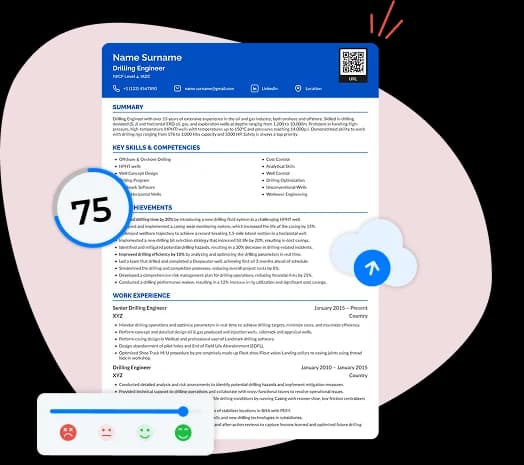
Resume Scanner
AI scanner performs 15 essential checks to ensure your resume is optimized for the jobs you're applying to.
SCAN RESUMEAfter I filled in many of my knowledge gaps and gained a few years of experience, I began actively sending out resumes. But the first wave of applications was a complete failure. Out of the first 300 resumes I sent, I didn’t get a single reply. It was discouraging, but I didn’t give up. I started studying resume writing even more deeply, took additional courses, and read lots of articles and guides. Gradually, I began applying more selectively and spending more time optimizing each resume for each job.
I even paid 300 pounds to have my resume written by one British company. Honestly, I was disappointed with the result and ended up reworking it myself. That’s why I strongly recommend using a specialized platform like EngineerNow, especially for engineers.
First Interviews and Breakthrough
I got my first interview invitation after about five years of experience. It was from Qatar. However, when I reviewed the offer, the salary was too low, around $4,000 per month. Considering the high cost of living in Qatar and the fact that the role didn’t include family relocation, I decided not to accept it.
My goal was either to move permanently with my family or to work on a rotational basis for a solid income. I set a clear target for myself: at least $10,000 per month net. To reach this level, I realized I needed at least 7-8 years of experience, professional engineering status, and additional certifications in my field.
So I continued developing myself, obtained my UK Chartered Engineer status, passed the CMRP exam, and then started applying again. This time, with more experience and stronger qualifications, my chances were much higher.
I applied to several roles and received three interview invitations: again from Qatar, from Saudi Aramco, and from another company whose name I can’t remember now. I didn’t pass the first two, but with Saudi Aramco, I successfully passed the interview and received a job offer. That’s how I got my first job abroad.
In the video below, I explain which international certifications you actually need to increase your chances of getting a job abroad.
What Working Abroad Gave Me
Working abroad became more than just a way to earn more money. It gave me a unique opportunity to work in different countries, on challenging projects, with diverse equipment and international teams. I gained valuable skills and knowledge that I still use in my career today.
Since then, I’ve lived and worked not only in Saudi Arabia, but also in four other countries. I don’t plan to stop here. Right now, I’m learning a new language and preparing for another move with my family, which I’ll talk about in one of my next videos. Subscribe to the channel so you don’t miss it.
As a Certified Professional Career Coach (CPCC) and Certified Professional Resume Writer (CPRW) who has conducted over 200 technical interviews and passed more than 50 interviews myself, I know that an international career is built on patience, strategy, and long-term thinking. But with the right approach, it’s absolutely achievable.
Looking back, I clearly see that this path is real and repeatable for engineers from different disciplines, including mechanical and electrical fields, as international companies are constantly looking for strong specialists every year, not only in the Middle East but also in regions like India and Southeast Asia. Many people ask me what the real answer is to whether it’s worth trying, and my answer is always the same: yes, if you approach it strategically and realistically, understanding contracts, taxes, and even details like health insurance and relocation packages. Large companies value engineers who think long-term, manage risks, and understand responsibility, and that mindset is exactly what helped me move forward step by step and build a sustainable international career rather than chasing short-term opportunities.
Final Advice
My main advice for anyone aiming for an international career: don’t be afraid to set ambitious goals and work hard to achieve them. Invest in yourself, develop your skills, earn additional certifications, and don’t be afraid to take risks. Opportunities exist, but they come to those who are prepared for them.
If you need personal advice or want to join my “Engineer-Millionaire” course, the link is down below. I’ll be happy to help you grow your career.
Written by
Recent Posts


Pub: 11 Dec 2025 - Upd: 01 May 2026
7 min. read
Expat Job Search Secrets: How to Find Jobs in Canada, Europe, and Australia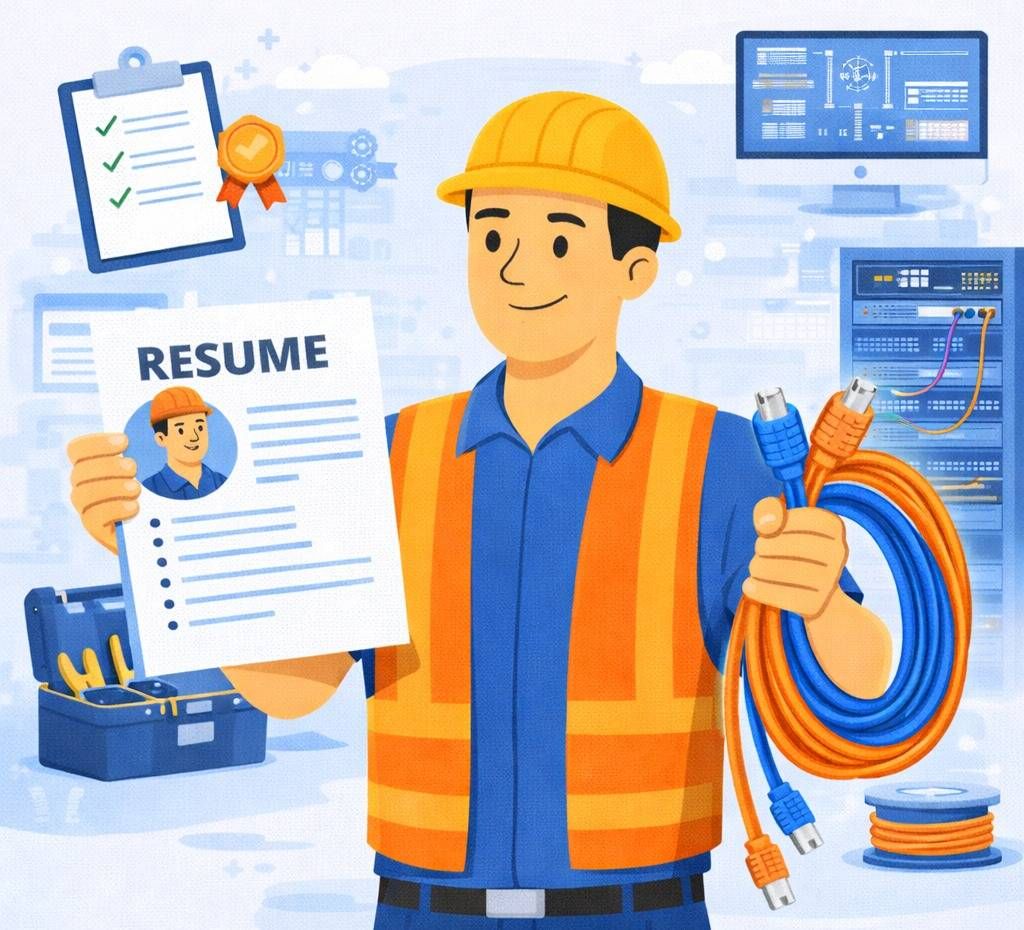
Pub: 25 Feb 2026 - Upd: 01 May 2026
58 min. read
Cable Technician Resume Examples & Guide: From Job Posting to Job Offer in 30 Days