

10 min. read
Environmental Engineer Resume: Examples, Tips, and Templates


Environmental engineering is a fast-growing industry shaping the health, safety, and future of our planet. Building a strong environmental engineer resume is essential for applicants who want to stand out, show their technical knowledge, and demonstrate impact in this critical field. This guide will help you craft an impressive resume whether you are entry-level, mid-career, or experienced, using real-world examples and best practices.
Crafting Your Environmental Engineer Resume
Writing a resume as an environmental engineer means showcasing technical skills, compliance expertise, and your impact on projects. The best resumes make your experience, achievements, and knowledge transparent for both hiring managers and applicant tracking systems (ATS).
Writing a Compelling Professional Summary or Objective
Every environmental engineer resume should begin with a compelling professional summary or clear objective. For experienced professionals, use a summary that highlights your years in environmental engineering, key projects, and quantifiable outcomes. For entry-level applicants, an objective that demonstrates enthusiasm for environmental improvement, sustainable engineering, and readiness to learn is best.
Including environmental keywords and specific engineer achievements is necessary. Your summary should mention your main skills, environmental focus, and any unique expertise or project outcomes.
Highlighting Relevant Technical and Soft Skills
Recruiters look for technical skills such as environmental assessments, regulatory compliance, data analysis, waste management, and proficiency in environmental engineering software. Soft skills including teamwork, analytical thinking, problem solving, and communication are also important for any environmental engineer resume.
Your skills section should reflect both technical and interpersonal strengths. Reference technical tools and software commonly used in environmental engineering, like AutoCAD, GIS platforms, or modeling applications.
BONUS: Environmental Engineer Technical Hard Skills Examples:
- HSE Training
- Occupational HSE
- HSE Regulations & Audits
- Safety Projects/Programs
- Safety Engineering & Standards
- OHSAS 18001:2007 Internal Auditor
- ISO 45001:2018 Lead Auditor Health & Safety Management Systems
- ISO 19011:2018 Auditing Management Systems
- RCFA (Root Causes Failure Analysis)
- Incident Investigation
- Permit to Work
- Emergency Response
- Emergency Response Planning
- Radiation Protection
- Process Safety
- Risk Assessment
- Risk Management
- PHA
- HAZOP
- HAZID
- Job Safety Analysis (JSA)
- Compliance review
- HSE Audits
- Waste Management
- Noise & Hearing Protection
- Occupational Health Management
- Respiratory Protection
- Chemical Exposure
- Ergonomics
- Air Quality Control
- Water Quality Control
- Soil & Groundwater Contamination
- Sustainable Development
- Energy Efficiency
- Hazard Identification
- H2S Control
- NEBOSH IGC 1; IGC 2 and IGC 3
- BOSIET
Showcasing Work Experience with Quantifiable Accomplishments
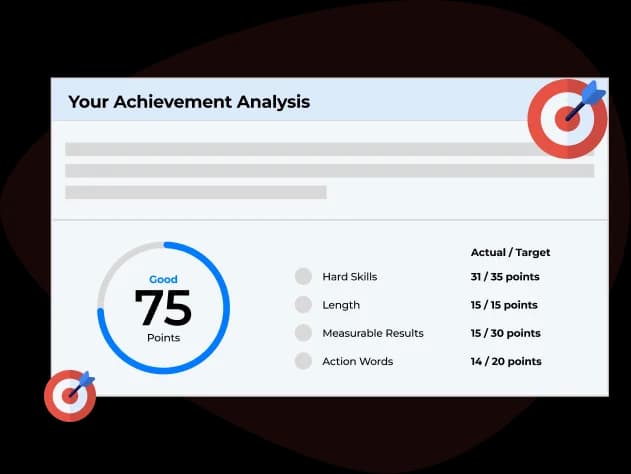
Work experience entries on an environmental engineer resume should detail the impact of your work, such as emissions reduction, improved recycling rates, or successful compliance audits. Use quantifiable outcomes and action verbs. Demonstrating how you ensured compliance with regulations, led teams, or implemented engineering solutions in environmental projects will set your resume apart.
Bullet points that start with strong action verbs and highlight your environmental impact are more persuasive than plain task lists.
As a Chartered Mechanical Engineer with 17+ years of hands-on experience in challenging environments, I bring a practical, experience-based perspective to crafting impactful resumes. Having conducted over 200 technical interviews and passed more than 50 myself, I know exactly how to communicate value in a way that resonates with hiring managers.
Including Education, Certifications, and Additional Sections
Education is critical for any environmental engineer resume. List your degrees in reverse chronological order, starting with your most recent or advanced qualification. Degrees in environmental engineering, civil engineering, or related sciences should be listed, including university names and completion dates.
Certifications like Professional Engineer (PE), LEED Accredited Professional, or Certified Environmental Professional (CEP) show employers your commitment to the field. Additional sections could include languages, technical training, affiliations, or relevant publications, so you demonstrate a well-rounded expertise in environmental engineer roles.
With a background that includes international work for companies like Shell and Saudi Aramco, I understand the importance of certifications and memberships in demonstrating professional credibility. These elements can significantly enhance your environmental engineer resume by showing your commitment to quality and industry standards.
Resume Format, Design, and ATS Optimization
Professional design and format make your environmental engineer resume easy to read and ATS-friendly. Making sure your resume aligns visually and structurally with current best practices is vital to getting noticed.
Choosing the Optimal Resume Format for Your Career Stage
Entry-level engineers benefit from either functional or combination resume formats, emphasizing technical expertise, relevant projects, or internships even if direct environmental engineering experience is limited. Mid-career and senior applicants should use a chronological format to showcase stable growth and experience.
Selecting a Clear and ATS-Friendly Template
ATS-compliant templates help ensure your environmental engineer resume reaches hiring managers. Templates should use clear fonts, standard section headings, and organized layouts. Avoid graphics or excessive colors, keeping your resume professional and easy to parse by systems and recruiters alike.
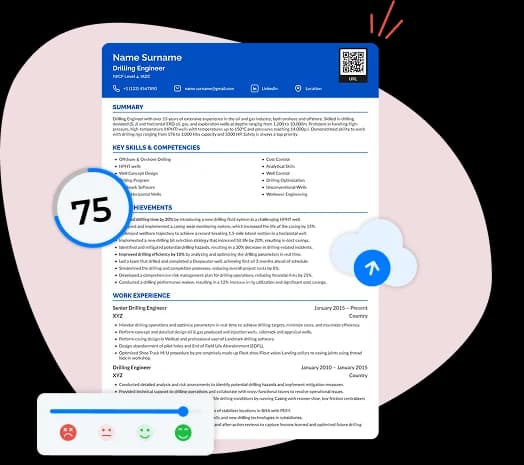
Resume Scanner
AI scanner performs 15 essential checks to ensure your resume is optimized for the jobs you're applying to.
SCAN RESUMEUsing Professional Fonts and Consistent Formatting
Fonts like Arial, Calibri, or Georgia are ideal for environmental engineer resumes. Maintain consistent formatting—identical section headers, aligned bullet points, and uniform font size—so your content is both accessible for readers and systems.
Keeping Your Resume Concise and Easy to Skim
Limit environmental engineer resumes to one page for those with less than ten years’ experience and no more than two pages for those with more. Use short, direct sentences, bullet points for lists, and plenty of white space. This keeps your key environmental experience and engineer skills easy to find.
Using Keywords and Tailoring Your Resume for ATS
Use relevant industry keywords, such as environmental impact assessments, regulatory compliance, sustainability, waste management, and engineering design. Read the job description and echo its language in your resume to ensure a good match for ATS.
Incorporating AI and Automated Systems Experience
Many organizations use AI and other automated systems for environmental monitoring and compliance. If you have experience with AI-driven modeling, real-time data tracking, or automated compliance solutions, highlight these in your environmental engineer resume—especially for experienced and mid-career roles.
Resume Examples
Below are three real-world environmental engineer resume examples tailored for different career stages. Each illustrates how to best highlight skills, experience, and results as an environmental engineer.
General Environmental Engineer Resume Example
Entry-Level Environmental Engineer Resume Example
Mid-Career Environmental Engineer Resume Example
Experienced Environmental Engineer Resume Example
For mid-career and experienced environmental engineers, it is beneficial to mention involvement with AI-driven environmental monitoring and compliance software, as these technologies are reshaping the industry. Showcasing hands-on experience with automated systems that optimize data collection, pollutant tracking, and regulatory reporting can distinguish your resume to prospective employers keen on innovative tech solutions.
Conclusion and Final Tips
A strong environmental engineer resume is about much more than listing jobs and skills. Tailor your resume for the environment sector by emphasizing quantifiable accomplishments, technical expertise, and commitment to environmental health and safety. Use ATS-friendly formatting, industry keywords, and ensure every section is polished and concise. Include certifications, languages, and relevant trainings to round out your profile. Regularly updating your resume with new projects and skills keeps you competitive in this fast-evolving field.
For practical walkthroughs on integrating these elements into your resume, read: Engineering Video Resume: How to Stand Out From 90% of Engineers in 2026.
Pro tip: Always include a targeted cover letter with your resume to further demonstrate your fit for the specific environmental engineer role. Personalize each submission to illustrate your genuine interest and relevance to the job.
If you want a deeper dive into tailoring your engineering resume specifically for emerging technologies and project leadership, see: Engineering Cover Letter Examples: Complete Guide for 2026.


One mistake many candidates make is treating their CV as a static document that never changes. In reality, every application should be adapted to the specific role, highlighting the most relevant projects, achievements, and responsibilities for that position. Before submitting, double-check that your contact information is accurate, your address is presented professionally if required, and there are no inconsistencies between your resume and LinkedIn profile. Recruiters often review these details before scheduling an interview, and even small improvements can make your application look more polished and better aligned with what the employer is looking for. A well-tailored resume creates the impression that you were made for the role rather than simply applying to every vacancy you can find.
FAQ / Q&A
How do I write an effective professional summary for an environmental engineer resume?
Summarize your most relevant technical and interpersonal skills, environmental expertise, main achievements, and career goals in two to four concise sentences. Reference the impact of your work, compliance knowledge, and your unique strengths as an engineer.
What technical skills are most important to highlight?
List skills such as environmental impact assessments, regulatory compliance, data analysis, hazardous waste management, experience with environmental modeling software, and project management. Tailor this list for the specific job requirements.
How can I tailor my resume for applicant tracking systems (ATS)?
Integrate keywords from the job posting throughout every section of your resume, especially in work experience and skills sections, to ensure it passes ATS filters. Use standard section headers and avoid uncommon fonts or graphics. Use EngineerNow Resume Scanner.
What is the best resume format for environmental engineers at different career stages?
Entry-level engineers may favor a functional or combination format, while experienced professionals should choose a chronological format. Combination formats allow both skills and work history to be highlighted.
Should I include certifications and licenses on my resume?
Always include relevant certifications and licenses such as Professional Engineer (PE), LEED, or environmental-specific credentials. These provide proof of qualification and dedication to the field.
How detailed should the work experience section be?
Every entry in your work history should focus on achievements and quantifiable outcomes, not just day-to-day duties. Use bullet points, include project results, compliance wins, and cost or emissions reductions where possible.
What additional sections can help my resume stand out?
Adding sections for publications, professional affiliations, relevant languages, technical training, or volunteer work showcases your full range of experience and commitment to environmental engineering.
How can I keep my resume concise yet comprehensive?
Prioritize the most impactful and relevant information. Use short, skimmable sentences and focus on quantifiable outcomes to show depth and breadth in minimal space. Limit your resume to one or two pages maximum.

Written by
Recent Posts

Pub: 18 Sep 2025 - Upd: 01 May 2026
14 min. read
Engineering Student Resume Examples | Samples & Guide to Land Jobs
Pub: 10 Sep 2025 - Upd: 01 May 2026
7 min. read
The WORST Engineering Professions! I wish I knew earlier...
Pub: 13 Apr 2025 - Upd: 01 May 2026
8 min. read
How do I write the PERFECT Engineering resume using ChatGPT? Step-by-step instructions...