

8 min. read
Release Train Engineer Resume Examples and Writing Guide


Overview of Engineering Roles and Resume Essentials
Crafting an effective engineer resume is critical for anyone pursuing a career in this dynamic industry. Engineering resumes must showcase a candidate’s expertise, technical skills, and project experience, ensuring that each resume stands out in a competitive pool. Each engineering position calls for targeted resume content, and using the best resume examples as guidance can help you tailor your application for the right job.
Release Train Engineer: Key Responsibilities and Skills
A Release Train Engineer resume requires a focus on Agile Release Train (ART) facilitation, program management, and cross-team leadership. An engineer in this position supports project management across multiple teams using frameworks like SAFe, Scrum, and Kanban. Critical skills to include in your resume:
- Agile methodologies (Scrum, SAFe, Lean, Kanban)
- Program Increment (PI) planning, execution, and tracking
- Risk and dependency management
- Continuous improvement and lean-agile practices
- Strong leadership, collaboration, and coaching skills
- Extensive experience with lifecycle management tools (JIRA, Rally, CA Agile Central)
- Financial management and budgeting skills
- Excellent communication and presentation abilities
A proven track record of facilitating teams, leading improvement, and delivering results is essential when writing a resume for this engineering role.
In the competitive field of engineering, making a video resume can set you apart. Engineering Video Resume: How to Stand Out From 90% of Engineers in 2026 provides innovative ideas to creatively present your qualifications beyond the traditional resume format. This can be especially effective for roles like Release Train Engineer where communication and leadership skills are paramount.
Locomotive and Train Engineer: Core Job Functions and Skills
For train engineer and locomotive engineer resume examples, core functions should focus on safe operation and maintenance of all train systems. Emphasize on:
- Operating trains according to schedules and regulations
- Performing pre- and post-run inspections and identifying faults
- Compliance with safety protocols and federal regulations
- Communication with dispatchers, crew, and other stakeholders
- Incident response and passenger safety measures
- Technical problem-solving skills and equipment maintenance
An engineer resume in this field should showcase experience with railway systems, customer service skills, and a solid track record of reliability.
Railway Engineer: Professional Experience and Technical Expertise
A railway engineer resume must highlight project management, technical specification review, and multi-discipline coordination. Key resume sections must include:
- Design and execution of rail infrastructure and signaling projects
- Managing and leading engineering teams
- Developing, reviewing, and implementing technical documents
- Ensuring compliance with rail engineering standards and safety requirements
- Utilizing tools like Primavera, Microsoft Project, ATP/ATO, and other train controlling systems
Your resume should clearly show how your skills align with complex, safety-critical rail projects and demonstrate successful project delivery.
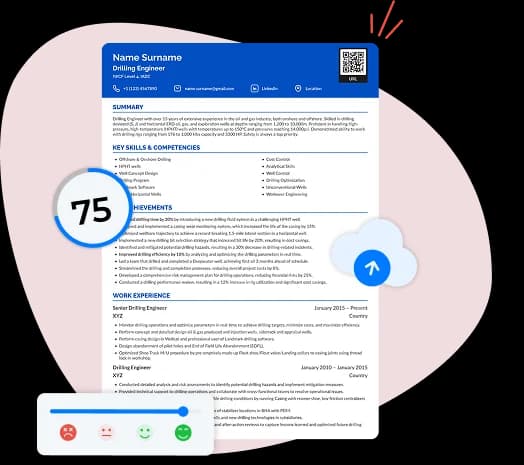
Resume Scanner
AI scanner performs 15 essential checks to ensure your resume is optimized for the jobs you're applying to.
SCAN RESUMEEducation, Certifications, and Tools Across Engineering Disciplines
A great engineer resume needs to show strong educational background, certifications, and proficiency with industry-standard tools.
Including relevant education and certifications is vital. Your resume should mention:
- Bachelor’s degree in IT, Business, Science, or Engineering
- Advanced degree (MBA, Master’s in a technical field) is a plus
- Certified Scrum Master (CSM), SAFe Program Consultant (SPC)
- Project Management Professional (PMP) certification
- Professional Engineer (PE) certification or equivalent license
Certifications validate your skills and readiness to lead cross-functional teams effectively.
It's important to highlight the value of practical experience alongside formal certifications. As an International Engineering Career Coach and Chartered Mechanical Engineer with 18+ years of experience, I have a deep understanding of what hiring managers look for in engineering resumes. This expertise helps me guide engineers to emphasize certifications that directly support their roles in agile environments.
Certifications and Licensing for Locomotive Engineers
For each engineer resume in train operations, always list:
- Certified Locomotive Engineer (by the Federal Railroad Administration or similar body)
- Specialized hazardous materials handling certificates
- Advanced train control and diagnostics training
These resume features are often required for train engineer jobs and should be listed in a dedicated section.
Tools and Technologies Used by Engineers
Employers expect resumes to list specific tool proficiencies. Include in your resume:
- Agile tools (JIRA, Confluence, VersionOne)
- Project management software (Primavera, Microsoft Project)
- Signaling/controlling systems (ATP/ATO, Block Signal Systems)
- DevOps and CI/CD technologies for Release Train Engineer roles
- Data analysis and reporting tools
Highlighting relevant software and technologies used across engineering disciplines demonstrates both technical competency and readiness for the job.
Resume Examples
Below are three comprehensive engineer resume examples using real, ATS-friendly formats. Each resume demonstrates competencies, certifications, and measurable results using a dense spread of relevant LSI and core keywords.
Release Train Engineer Resume Sample
Locomotive Engineer Resume Example
When preparing a Locomotive and Train Engineer resume, it’s beneficial to showcase quantifiable accomplishments related to train operations and maintenance. For a practical walkthrough on how to convert technical expertise and safety compliance into compelling resume content, I break this down step-by-step here: Hydraulic Engineer Resume Examples A Complete Guide.
Railway Engineer Resume Example
Conclusion
Engineers across all disciplines require tailored resumes that highlight technical skills, quantifiable results, and management experience. Each resume example here demonstrates how to present your work history, certifications, and education in a way that addresses employer needs in a highly competitive job market. Aligning your engineer resume to the specific discipline—whether Release Train, locomotive, or railway engineering—ensures your profile matches industry requirements.
Showcasing certifications, hands-on technical expertise, leadership impact, and problem-solving skills helps every engineer resume deliver better candidate matches and interview invites. Make sure every section—from summary to project highlights and tools—supports your proven track record and ability to deliver results.
FAQ / Q&A
What certifications are most valuable for different engineering roles?
For Release Train Engineer roles, SAFe Program Consultant (SPC), Certified Scrum Master (CSM), and PMP certifications are top picks. Locomotive and train engineers often require FRA locomotive engineer certification and hazardous materials training. For railway engineers, a P.E. license and advanced signaling credentials help your resume stand out.
How do I highlight technical skills effectively in my resume?
Create a clearly labeled skills section and weave critical technical skills into your work experience bullet points. Use metrics to show measurable results of your technical actions and always mention the tools and software directly relevant to the job description.
What are best practices for demonstrating leadership experience?
List direct leadership roles, such as team lead, project manager, or trainer. Point to specific outcomes you've achieved through guiding others, such as process improvements, reduced downtime, or successful cross-team projects on your engineer resume.
How should I tailor my resume for safety-critical engineering positions?
Emphasize your compliance record, certifications, and real-world safety achievements. Use resume examples to model how you show responsibility, emergency response skills, and adherence to all regulations and standards.
What tools and software knowledge should I include on my resume?
Always add core tools like JIRA, Confluence, project management software (Primavera, Microsoft Project), diagnostic equipment for train engineers, and reporting software. Stay current with technologies most used in your target field to make your resume relevant.
How can I address gaps or changes in my engineering career?
Use a strong summary or resume objective to explain transitions, mention relevant training during gaps, and highlight continued learning or project involvement. Keep your resume focused on results and new skills gained.
What are common mistakes to avoid in engineering resumes?
Avoid vague duties, lack of quantifiable results, omitting certifications, and using overly complex or generic language. Always make sure your contact details are correct and your resume is free of grammatical errors.
How important is continuous professional development for engineers?
Engineering is a rapidly changing field. Professional development ensures your resume remains competitive. List relevant recent training, certifications, and involvement in new projects to show ongoing commitment to your career and industry trends.
For those aspiring to excel as Release Train Engineers, it’s important to recognize the value of certifications and continual learning. If you want a deeper dive on how to craft a stellar Release Train Engineer resume and effectively highlight key skills and achievements, see: Automotive Engineer Resume Examples Complete Guide for 2026. This guide also touches on essential project management tools and methodologies relevant to the role.

Written by
Recent Posts


Pub: 27 Nov 2025 - Upd: 01 May 2026
17 min. read
Facilities Engineer Resume Examples: A Complete Guide and Templates
Pub: 07 Mar 2026 - Upd: 01 May 2026
23 min. read
Mechanical Design Engineer Resume Examples & Templates